
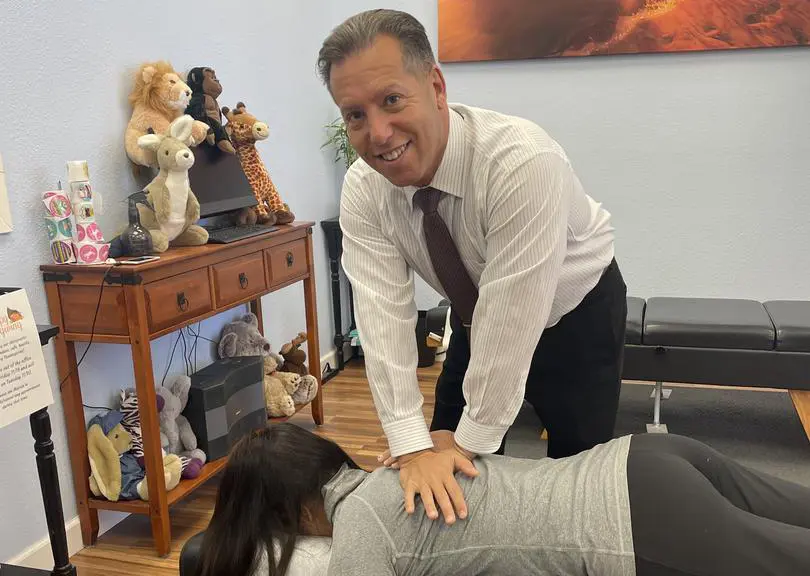
Shoulder Pain Treatment in Los Gatos
Shoulder pain can make simple things like reaching for a mug, putting on a jacket, or sleeping on your side way harder than they should be.
At On Purpose Los Gatos Chiropractic in Los Gatos, Dr. Adam Kleinberg, DC helps patients understand why their shoulder hurts and what can realistically be done about it. As a shoulder pain chiropractor in Los Gatos, he focuses on careful assessment, gentle, targeted care, and clear education so you know what is happening, not just what it feels like.
The first step is simple: Call (408) 320-6022 to schedule your consultation.
What Is Shoulder Pain?
Shoulder pain is any discomfort in or around the shoulder joint. It can show up as a sharp pinch when you reach overhead, a deep ache that sits in the upper arm, or stiffness that makes it hard to lift or rotate your arm.
Common issues include irritation of the rotator cuff tendons, inflammation in the bursa, and “impingement,” where soft tissues get pinched between bones when the shoulder moves. For some people, pain stays local. For others, it can radiate down the arm or feel tied to neck or upper back tension.
From a chiropractic perspective, the shoulder does not live in isolation. The way your neck, upper back, ribs, and shoulder blade move will change how the ball and socket joint loads. If posture, spinal alignment, or muscle balance are off for long enough, the tissues in and around the shoulder can start to complain. Chiropractic care looks at that bigger picture so you are not just chasing one sore spot forever.
Signs & Symptoms of Shoulder Pain
- Sharp or dull pain in the shoulder or upper arm: Pain may be constant or only show up with certain movements.
- Stiffness and reduced range of motion: You might struggle to reach overhead, behind your back, or out to the side.
- Pain when lifting or carrying objects: Everyday tasks like carrying groceries or lifting kids can aggravate symptoms.
- Discomfort when lying on the affected side: Sleep can be disturbed because pressure on the joint increases pain.
- Clicking, grinding, or popping sensations: Noises in the joint can signal irritation or rough surfaces moving against each other.
- Weakness in the arm or shoulder: The shoulder may feel unreliable, like it could “give out” with effort.
- Pain that travels down the arm: Irritated nerves or referred pain can cause symptoms away from the main problem area.
- Difficulty with overhead or behind‑the‑back movements: Activities like washing your hair or fastening a bra can become frustrating.
- Ache after long periods of sitting or computer work: Posture strain from rounded shoulders and forward head position can feed shoulder tension.
Causes & Risk Factors
Shoulder pain usually does not come out of nowhere. Sometimes there is a clear moment, like lifting something heavy or falling onto an outstretched arm. Other times it builds slowly from posture, repetitive strain, or underlying joint misalignment.
Common causes include rotator cuff irritation, bursitis, impingement, frozen shoulder, joint misalignment in the shoulder or upper spine, and overuse from sports, work, or hobbies. When the shoulder blade does not move smoothly or the upper back is rounded and stiff, the ball and socket joint is forced to move in a less than ideal way, which can irritate tendons and other soft tissues over time.
Risk factors include long hours at a desk, heavy manual labor, repetitive overhead motions, previous shoulder or neck injuries, and general deconditioning. Age‑related wear can play a role, but as Dr. Kleinberg often explains, “it is the physics and load on the joint that really drive degeneration,” not just the birthday count.
Assessment & Diagnosis
At On Purpose Los Gatos Chiropractic, the first step is always to figure out what is really going on with your shoulder, not just where it hurts.
History and conversation
Dr. Kleinberg starts with a detailed conversation about:
- When your shoulder pain started and what you think triggered it
- What makes it better or worse
- Your work, hobbies, and workout routine
- Any previous injuries, surgeries, or health conditions
Physical and orthopedic exam
He then performs a hands‑on exam that can include:
- Posture assessment for head, neck, and shoulder position
- Range of motion testing for the neck, upper back, and shoulder
- Specific orthopedic tests to stress different tendons and structures
- Palpation of the spine, shoulder, and shoulder blade to find tight, tender, or restricted areas
Imaging when appropriate
In many cases, full spine or regional digital X‑rays are used to study the alignment and curves of the neck and upper back. This helps show whether nerve irritation or spinal mechanics might be feeding shoulder pain. If there are red flags, or if you already have MRI or ultrasound images, those reports are reviewed as part of the big picture.
Primary shoulder pain comes from issues in and around the joint itself. Secondary shoulder pain can be driven by neck, rib, or nerve problems. The assessment process is designed to sort that out before any treatment is recommended.
Personalized Chiropractic Treatment in Los Gatos
Shoulder pain treatment at On Purpose Los Gatos Chiropractic is tailored, not cookie cutter. Once Dr. Kleinberg has a clear picture of what is driving your pain, he builds a plan that works with your body instead of fighting it.
Care often begins with spinal and shoulder‑related adjustments. When the neck, upper back, ribs, and shoulder girdle move better, pressure on the nerves and surrounding soft tissues can ease. Many patients are surprised how much their shoulder changes when the upper spine starts to function more normally.
Manual techniques for the shoulder and shoulder blade may be used to improve joint play and mobility. Gentle stretching, guided movement, and activation of key stabilizing muscles help retrain how the shoulder moves in everyday life. If your pain is tied to posture or workstation setup, you will get simple, realistic strategies for changing those stressors so the same problem does not keep coming back.
The overall goals include:
- Reducing pain and inflammation
- Improving shoulder and spinal alignment
- Restoring range of motion and strength
- Supporting long term joint health and function
Treatment is conservative, non invasive, and medication free, focused on helping the body recover while avoiding unnecessary procedures whenever possible.
Long-Term Consequences of Ignoring Shoulder Pain
Ignoring shoulder pain rarely makes it disappear. More often, the body finds workarounds that create new problems. You might unconsciously hike the shoulder, twist your neck, or change your posture to avoid pain, which adds stress to other joints.
Over time, ongoing irritation in the shoulder can lead to chronic inflammation, thicker and less flexible tissues, and progressive stiffness. Rotator cuff tendons can weaken, tears can worsen, and the joint may lose more and more motion. In some cases, frozen shoulder can develop, turning everyday tasks into a serious struggle.
Leaving the root cause unaddressed also means you are more likely to rely on short term symptom relief and live below your potential for strength and comfort. Addressing issues early gives you more options and often a smoother recovery.
At-Home Care & Immediate Relief
While a proper evaluation is the smartest first step, there are a few simple things many people can safely do at home to manage mild shoulder discomfort.
Short periods of rest from aggravating activities can help calm an irritated joint, especially after a flare up. Ice can be useful in the first few days of an acute injury, applied for 10 to 15 minutes with a cloth barrier. Later, gentle heat may help relax tight muscles.
Light, pain free range of motion movements are usually better than complete immobility, which can lead to more stiffness. Paying attention to posture, especially during computer work or phone time, can reduce some of the constant load on the shoulder and upper back.
If pain is sharp, worsening, or accompanied by severe weakness, numbness, or a feeling of instability, it is important to get checked rather than pushing through.
Case Studies
Case 1: Active professional with nagging shoulder pain
A patient in their late 30s who worked at a computer all day came in with several months of right shoulder pain. Reaching overhead, playing recreational tennis, and even sleeping on that side were becoming a problem. Exam and X‑rays showed rounded shoulders, upper back stiffness, and mild irritation of the rotator cuff.
Dr. Kleinberg recommended a plan of upper spine and shoulder‑focused adjustments, postural coaching, and simple home mobility drills. Within a few weeks, the patient reported less pain at rest and more confidence using the arm. After a couple of months, they were back to playing tennis without worrying about the shoulder flaring every time.
Case 2: Retired patient with “frozen” feeling shoulder
A retired patient in their 60s came in saying their shoulder felt “stuck” and had gradually lost motion over the past year. Getting dressed, reaching shelves, and washing their hair had become almost impossible on their own. Testing showed significantly reduced range of motion, muscle guarding, and upper back restriction.
The care plan combined gentle spinal and shoulder adjustments with progressive stretching and guided movement, always staying within a tolerable range. Over several months, motion steadily improved, and everyday tasks became doable again. While the shoulder was not “like it was at 20,” the patient regained independence and comfort, which was their main goal.
Equipment & Tools Used
To evaluate and treat shoulder pain, On Purpose Los Gatos Chiropractic uses a mix of modern imaging and classic chiropractic tools. Digital X‑rays are frequently used to study the alignment and curves of the neck and upper back, which often influence shoulder mechanics.
Comfortable chiropractic adjusting tables, including drop‑piece setups, allow precise positioning for both spinal and shoulder‑related adjustments. In select cases where neck or upper back disc issues contribute to arm and shoulder pain, the DRX 9000 spinal decompression table may be part of care to reduce nerve irritation.
A handheld adjusting instrument is available for very gentle, targeted corrections, and home tools like Posture Pump devices can support better alignment between visits. Everything is chosen to keep care as safe, comfortable, and effective as possible.
Why Choose On Purpose Los Gatos Chiropractic
Choosing someone to trust with your shoulder health is a big deal. At On Purpose Los Gatos Chiropractic, you are working with Dr. Adam Kleinberg, DC, a chiropractor with 25 years of experience who has treated more than 8,000 patients and maintains a 5.0 online rating with over 245 reviews.
He combines deep technical training with a very human approach. Patients are greeted by name, given time to ask questions, and shown their findings in clear, real‑world language. Care is always conservative, non invasive, and focused on what makes sense for your specific situation, not a one size fits all script.
Book An Appointment
FAQs - Shoulder Pain Treatment
Q: Can chiropractic help frozen shoulder or severe stiffness?
A: In many cases, yes. While every situation is unique, chiropractic care can help by improving motion in the neck, upper back, and shoulder girdle, then gradually restoring shoulder movement within a comfortable range. It is not a quick fix, but a steady process of reducing irritation and retraining how the shoulder moves.
Q: How many sessions will I need for shoulder pain?
A: It depends on how long the problem has been there, what structures are involved, and your goals. Some people notice improvement within a few weeks. Others with longer standing or more complex issues may need a few months of consistent care. After your assessment, Dr. Kleinberg will outline a recommended plan and timeline.
Q: Is shoulder adjustment painful?
A: Most patients are surprised at how gentle the process feels. Some adjustments create a brief feeling of pressure followed by relief, and techniques are always adapted to your comfort level. Sore or inflamed areas may feel a little tender at first, but care is never about forcing your shoulder through pain.
Q: Do I need a referral to see a shoulder pain chiropractor in Los Gatos?
A: In most cases, no referral is needed to see a chiropractor. You can call the clinic directly to schedule an appointment. If you are under the care of another provider, Dr. Kleinberg is happy to coordinate and share information when appropriate.
Q: Will my insurance cover chiropractic shoulder pain treatment?
A: Coverage varies between plans. The team at On Purpose Los Gatos Chiropractic can help you check your benefits, explain what is covered, and go over financial options. You will know the expected costs and plan details before you commit to care, so there are no surprises.
Q: What if I have had shoulder surgery already?
A: Having a past surgery does not automatically rule out chiropractic care. The surgical area is evaluated carefully, and adjustments are modified or focused on related regions like the neck, upper back, and shoulder blade as appropriate. The goal is to support function around the repair and help your body move as well as it safely can.
